
Bring on the Weird Space Stuff!
Unexpected regulatory innovation from the FCC

I had planned to write about something else this week. But between a Substack bug and an awesomely named government regulatory document, I’m quite literally writing about “Weird Space Stuff” instead.
Radio (RF) spectrum in America is federally regulated. The federal government decides who can use which bands of the RF spectrum for what, when. The federal government also represents the US to the International Telecommunications Union, a specialized UN agency that deals with RF spectrum allocation and coordination across countries.
Two agencies control spectrum allocation on behalf of the government. The National Telecommunications and Information Administration (NTIA) is a group within the Department of Commerce that, among other things, regulates spectrum allocated to the federal government. The Federal Communications Commission (FCC) is a government agency that, among other things, regulates non-federal radio communications technologies and users — such as amateur radio enthusiasts, TV stations, and Wi-Fi hubs.
The FCC published on March 5th a Notice of Proposed Rulemaking (NPRM), which is a document a federal agency puts out when it wants to change a rule or regulation. It’s a statutory requirement, and it’s important because it creates an opportunity for people who might be impacted by the regulation to provide comments. This doesn’t necessarily guarantee bureaucratic accountability, but it ensures bureaucrats engage with their stakeholders.
This document is Docket Number 26-54, In the Matter of Spectrum Abundance for Weird Space Stuff.
I write Molding Moonshots in a personal capacity.
If you are building in deep tech and thinking about raising pre-seed, seed, or Series A funding, I’d be more than happy to have a chat on professional terms!
Send me an email and we’ll find a time.
What does this say?
The space industry is now capable of doing much more than it used to. While historically the space sector was focused on government contracting, modern companies now operate doing everything from pharmaceutical manufacturing to satellite servicing to crewed flight operations.
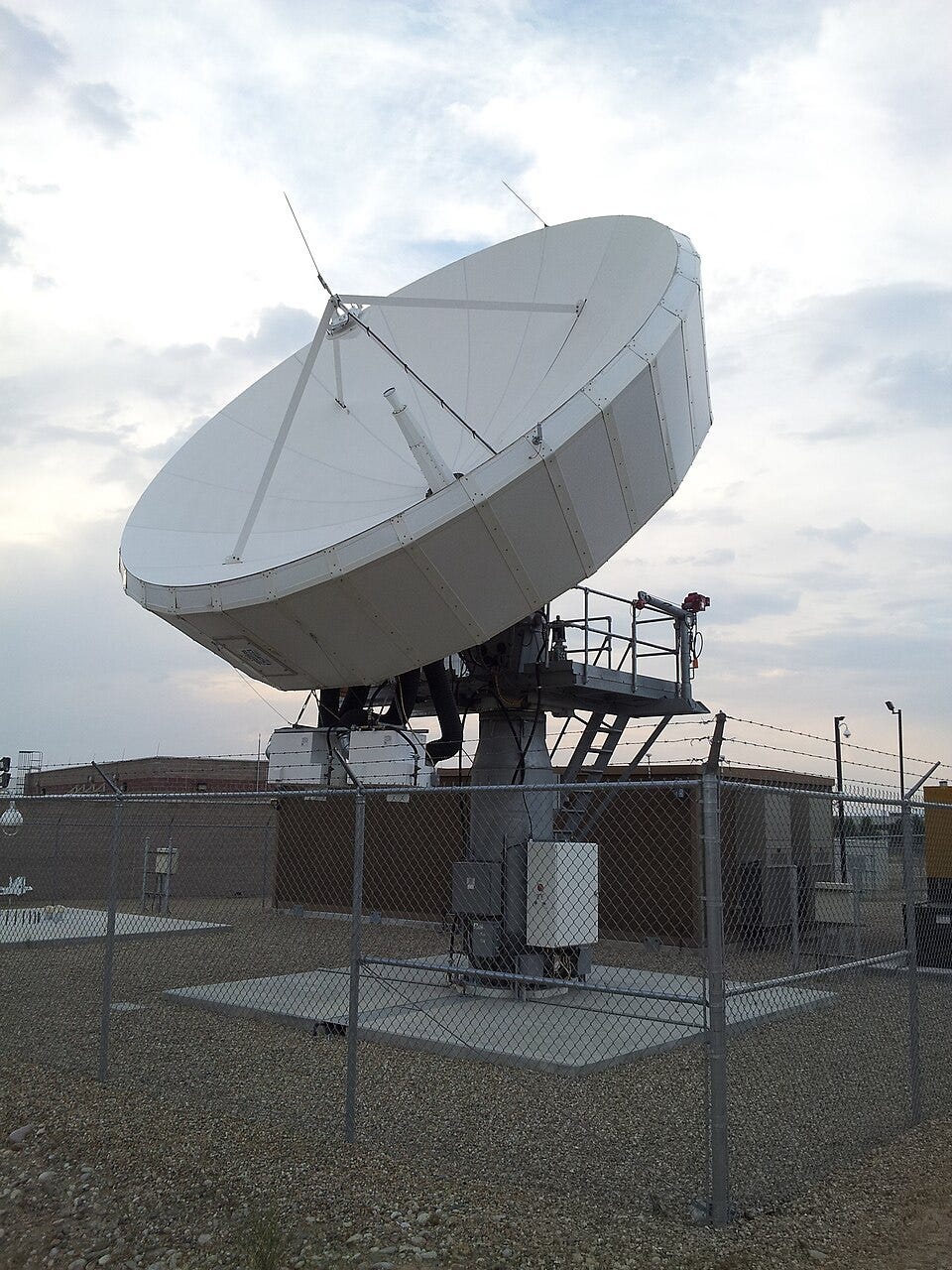

All these activities rely on the RF spectrum to communicate with people on Earth. The bare minimum here is that all satellites need to downlink telemetry to Earth, be tracked from Earth, and receive commands from Earth. The FCC calls these actions TT&C.
The RF spectrum is perhaps the most absolutely finite resource in the economy today. While it’s possible to create more real estate through land reclamation, there’s simply no way to make more RF spectrum. That makes access to it an economically valuable thing on Earth and in space.
This, and national security applications of RF technologies, are what justify the intense regulation at the federal and international levels of who can transmit on what frequencies.
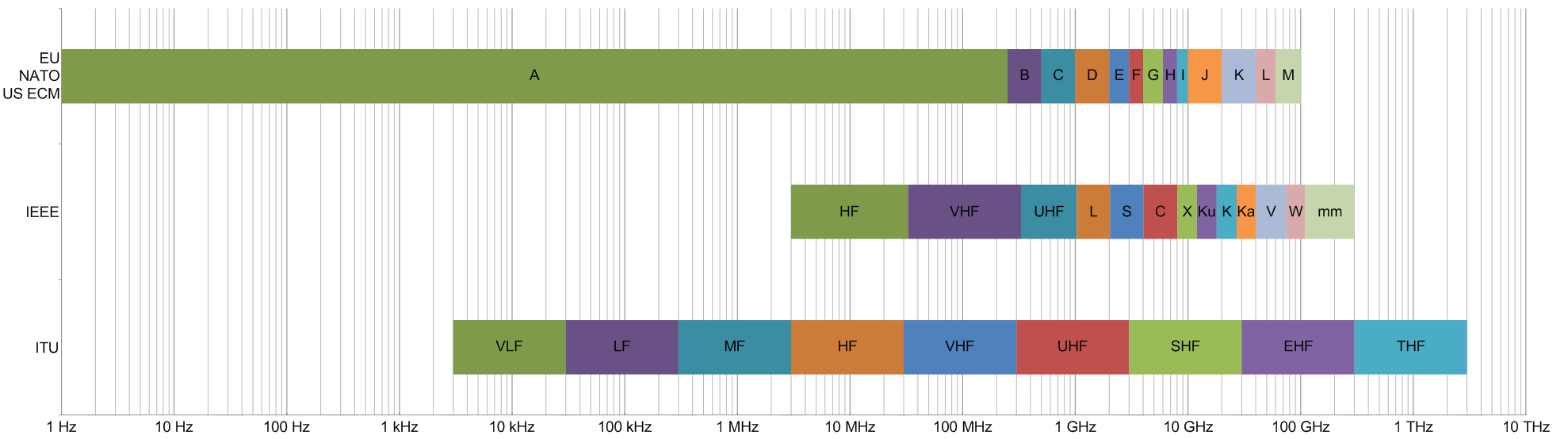

Some spaceflight applications with frequency allocated by the FCC include:
Public/commercial services
Fixed Satellite Service (FSS)
Mobile Satellite Service (MSS)
Broadcast Satellite Service (BSS)
Non-public services
Space Operation Service (SOS)
Space Research Service (SRS)
The FCC’s acknowledging in this NPRM that the proliferation of new space technologies that firms want to deploy is creating a spectrum “crunch”, and explains why it believes this is happening. It sees the causes of this as both technical and regulatory.
The FCC plans to take specific steps to make spectrum more abundant for emergent (weird) space applications, and the purpose of the NPRM is to solicit feedback from stakeholders about the specific changes.
The first change the FCC plans to make is to clarify certain regulations affecting non-communications satellites. In particular, it wants to:
codify rules around frequency piggybacking (when two nearby spacecraft communicate using the same frequency)
authorize standalone TT&C operations within portions of the spectrum allocated to FSS
adjust the definition of TT&C
clarify that spectrum use supporting emergent space stuff might fall within spectrum already allocated to other services
The NPRM then goes on to specify which portions of the RF spectrum it plans to allocate for emergent space operations, and to justify why it thinks they’re the right portions to allocate.
Finally, the document concludes by explaining the procedures to follow to submit comments.
Why does this matter?
RF regulators are generally incumbent-like in their prioritization of existing users and general bureaucratic character. That’s not necessarily a bad thing when the subject of the regulation is on the critical path to transmitting life-saving information in disaster zones, but it is the state of play.
And this document represents something of a departure from that. I’m not familiar enough with RF regulation to know how big a departure it is, but this feels out of character.
Even if it isn’t, government recognition that emerging companies need access to fixed and difficult-to-allocate resources is a good thing. It shows that regulators understand the importance of emerging technologies and the companies who create them for the broader space industry, and on a more strategic level as well.
The thing I’m most excited about is the increased regulatory clarity.
As an investor, I sometimes find government regulations confusing, because it isn’t always apparent which regulations apply to a prospective investment candidate — though it is quite clear that regulatory enforcement is not something in the candidate’s control, and could potentially force the candidate to cease operations.
That’s an admittedly draconian outcome in some cases relating to spaceflight, but it’s not at all out of the realm of possibility in medtech or drug discovery, which are much larger markets and therefore drive how more investors think about regulatory risk. Underwriting regulatory risk is a part of the job of investing in deep tech startups, and it’s a difficult thing to mitigate.
While this NPRM isn’t proposing to remove the risk, it’s indicating the FCC believes that the current regulatory ambiguity is bad for the space industry, and that’s something I wholeheartedly agree with.
Regulations might not permit everything a startup wants to do, but I think it’s important that startup founders (perhaps with a subject matter expert advisor) should be able to look at the regulations and figure out what they are or aren’t allowed to do relatively easily.
As I understand it, this NPRM moves the FCC closer to that model.
I hope the rule passes soon.
And I can’t wait to see what sorts of new technologies gain flight heritage under this new approach!